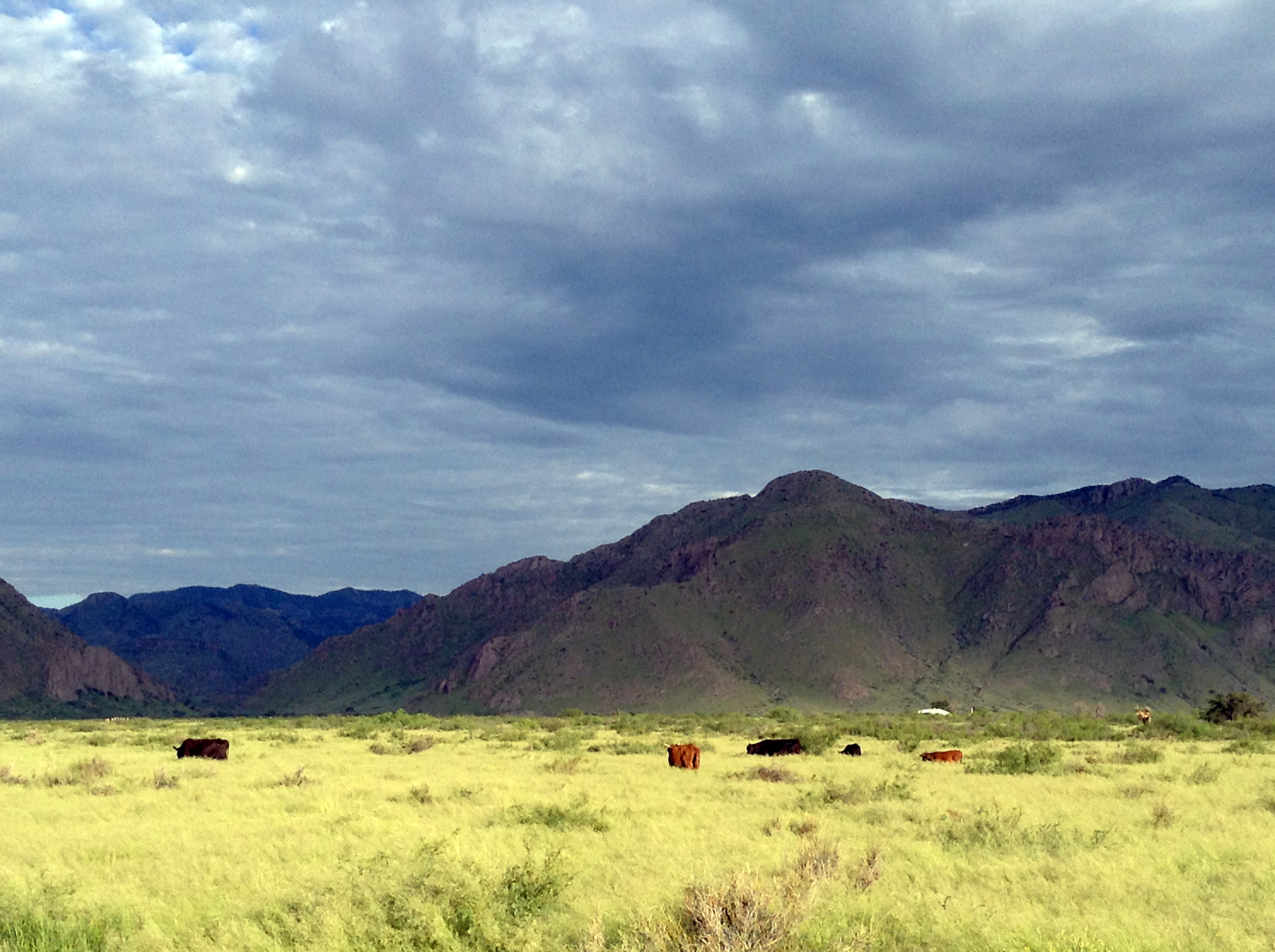
Here are a few of my favorite pictures from 2015.
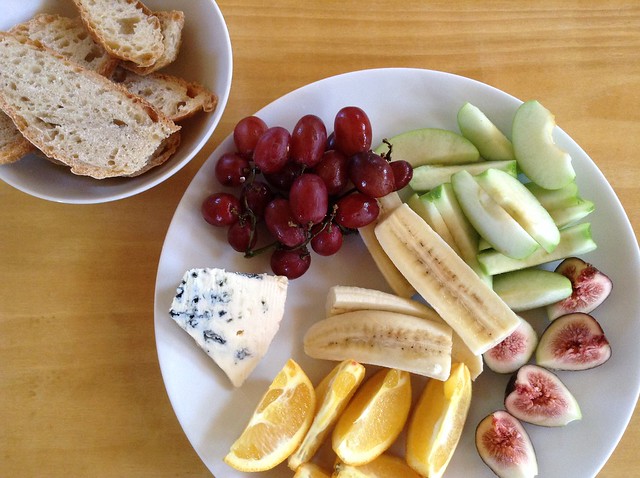
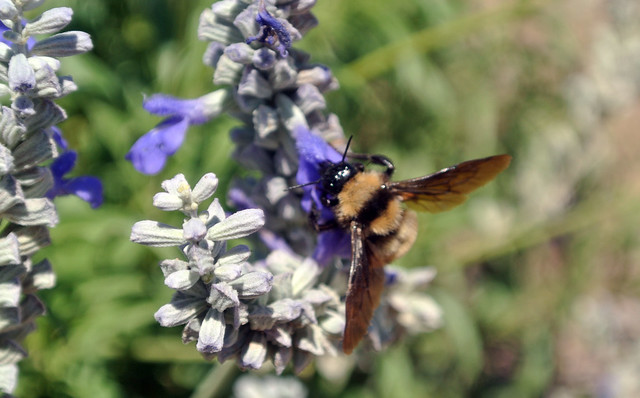
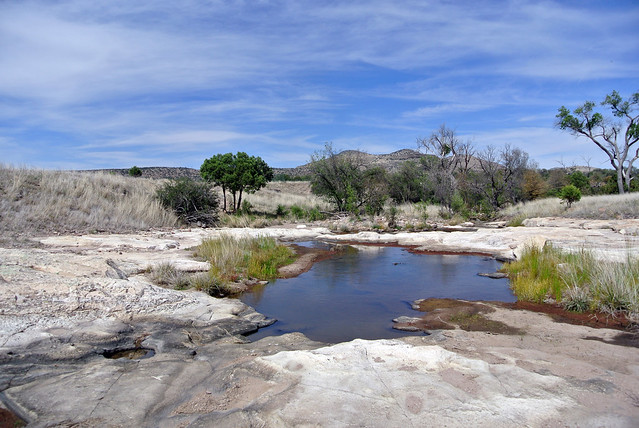
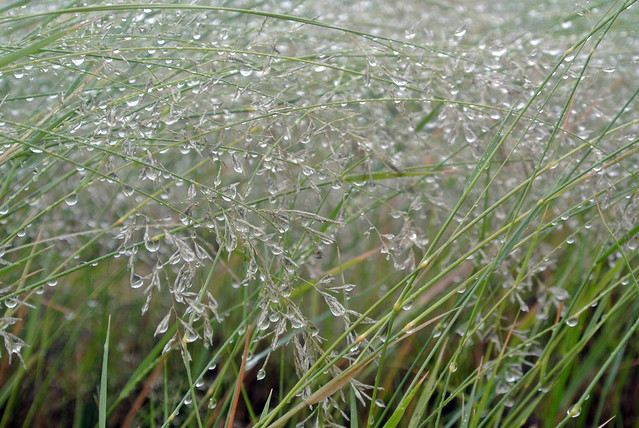
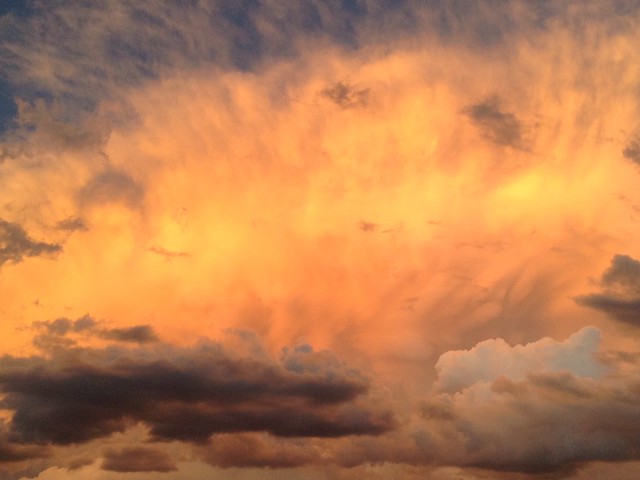
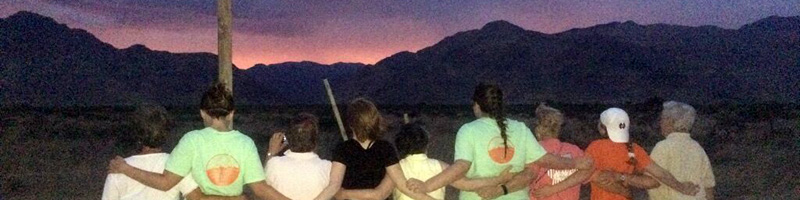
Here are a few of my favorite pictures from 2015.
A couple years ago I started doing a personal annual review in the style of Chris Guillebeau. Basically, it’s an end of year reflection on what went well and what didn’t over the year, followed up by setting some goals for the upcoming year. I’ve found it a useful process, especially as I’ve diversified the way I spend my time such that the normal professional measures don’t apply as much.
While I don’t publish all of this publicly, I did want to share one part this year.
Last year, I set a goal to read more. I didn’t have any idea how many books it would be reasonable for me to read in a year, but I set a goal of 50. Mid-year, I realized this was a pretty high goal that I most likely wouldn’t get close to. But then as the year went by, my reading rate accelerated, in no small part due to the fact that I was actually keeping track.
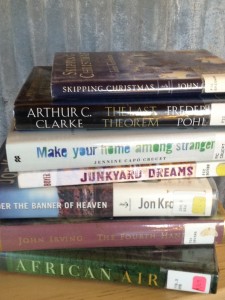
In the end, I read 51 books in 2015. The list is below, with those I’d especially recommend in bold. (And most of the books on the list are quite good; really, there are only a couple I wouldn’t recommend.)
Reading was one of several things I turned to this year when things weren’t going well otherwise. Other things included baking bread, gardening, sitting in the sun, walking, and writing letters. So when the depressing world news got to be too much or a conference call that had been difficult to schedule was cancelled at the last minute or someone said something mean or I just otherwise felt bummed, I tried to turn to one of these things. I think my overall health benefited from this.
And I read some great books.
And lots more cold weather in store for this week.

Brad and I were hiking back in the canyon a few days ago and saw this solitary cow way up the side of a mountain. (All the other cows were down in the flats where we were.)
Seeing things like this often prompts us to wish we could know what’s going on in these guys’ minds.
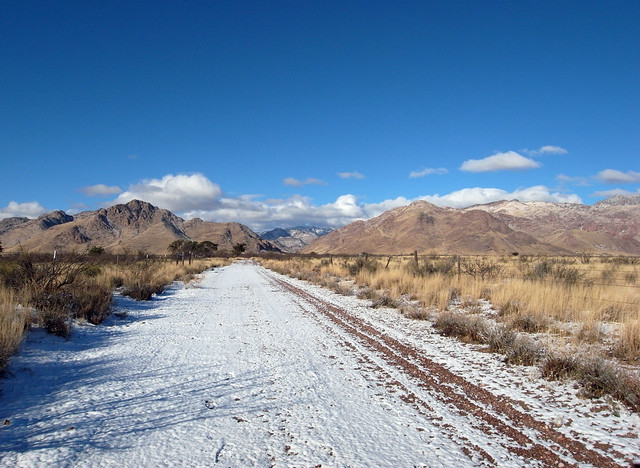
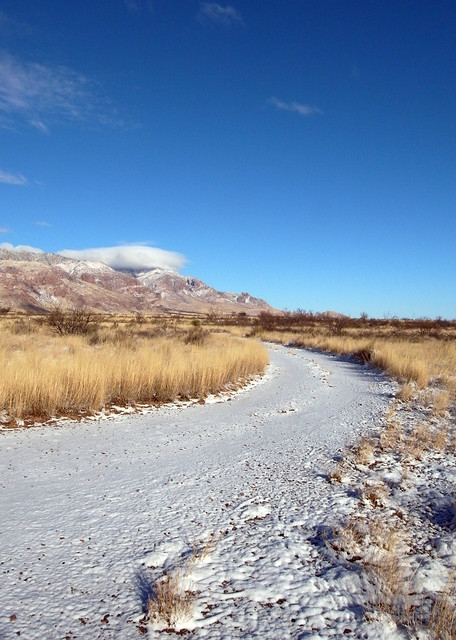
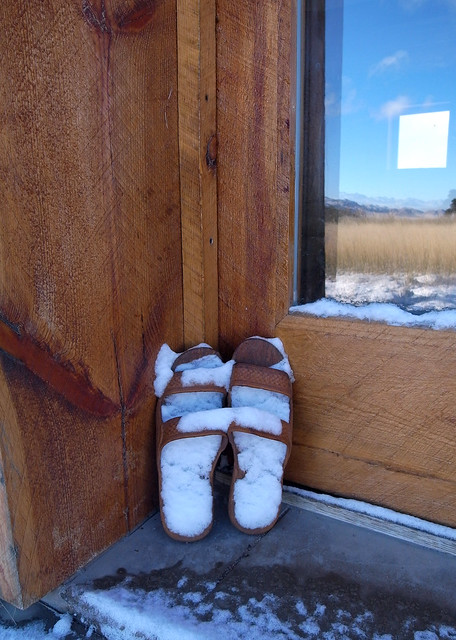
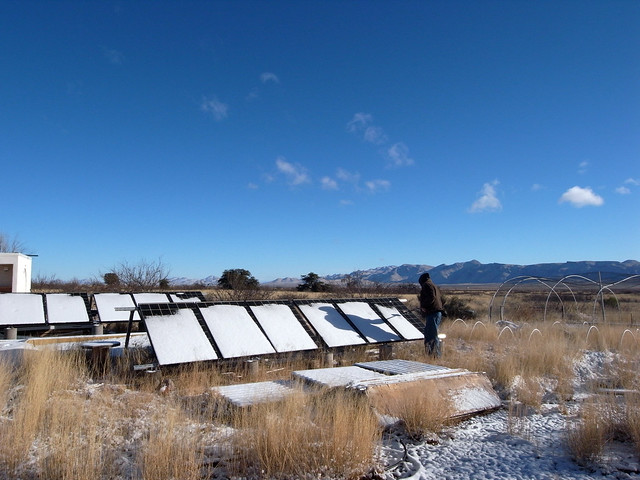
Otherwise, things here have been relatively quiet. It’s been cold this month — into the teens at night, anywhere from 40s to 60s in the daytime, but often with wind. We’ve had snow flurries but nothing on the ground.
Like others here, we’ve had a ton of rodents (all outside, thankfully) eating everything in sight, including food we’re growing, cactuses, our compost, and a neighbor’s spark plug wires. We’ve started trapping them and moving them up the road, but it seems a bit like a hopeless task.
I’m starting to think about the garden for next year. In a few weeks, it will be time to get starts going. I’m also thinking about a few new things like shishito peppers. We’ve also thought a bit about more protection from pests, but haven’t made any decisions on that yet.
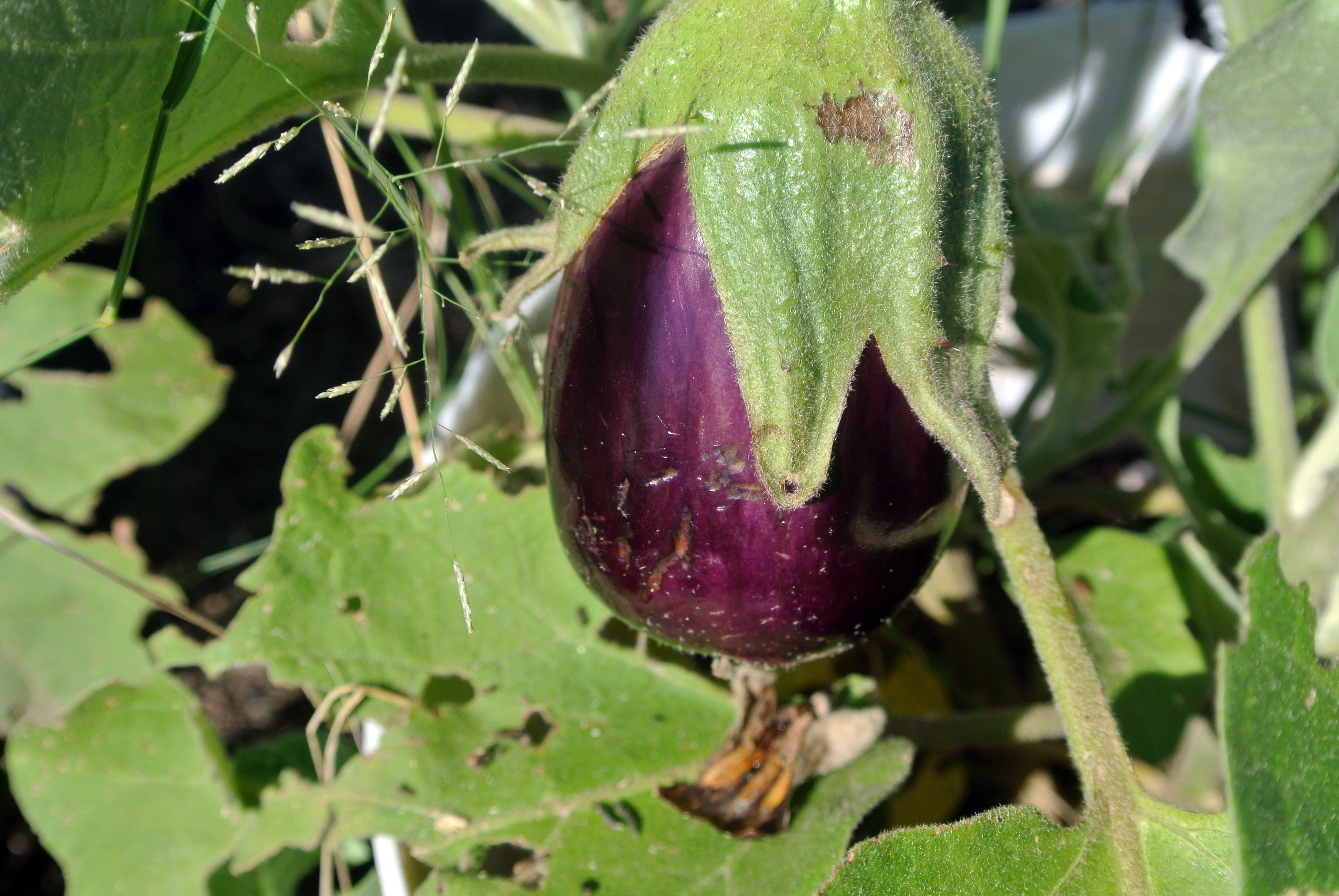
A hard first frost here last night means a harvest today of these guys.
I’d heard of nematodes, but was only vaguely aware of them as some sort of awful garden pest. Mostly, I focus most of my energy on challenges I already have, and nematode problems we did not have. Until now.
This year in clearing out some beds for fall plantings, I found roots that were gnarled with lumps, indicative I learned, of bad nematodes.
I went on to learn that nematodes are the most prevalent multi-celled animals on earth and roughly resemble microscopic worms. There are both bad and good varieties, and the bad ones destroy about 5% of crops worldwide. In gardens like mine, they are responsible for lower yields and weaker plants.
There are several ways to combat bad nematodes: replace all your soil (not a great option), plant French marigolds (questionable as to effectiveness) or fight them with so-called beneficial nematodes. These good nematodes can also combat other insect pests.
Turning to Amazon, we found many vendors who sell these beneficial nematodes, and these are the ones we ended up with.
They are shipped live and must be kept cool or they’ll die. They come in a little sponge which is washed out into water which is sprayed on the garden with a hose sprayer. They need to be applied in the evening when it is cool and there is low light. Apparently, they’re most effective with multiple applications, so we’ll do this again a couple times in the spring.
How did these bad nematodes get here, you ask? We asked ourselves the same question. One guess is that they were brought in with loads of external compost.
It will likely be another year before we know if this worked, so stay tuned for that.
In the meantime, about 400 garlic and shallots are now in the ground for winter. We’ll hope the nematodes don’t affect them.
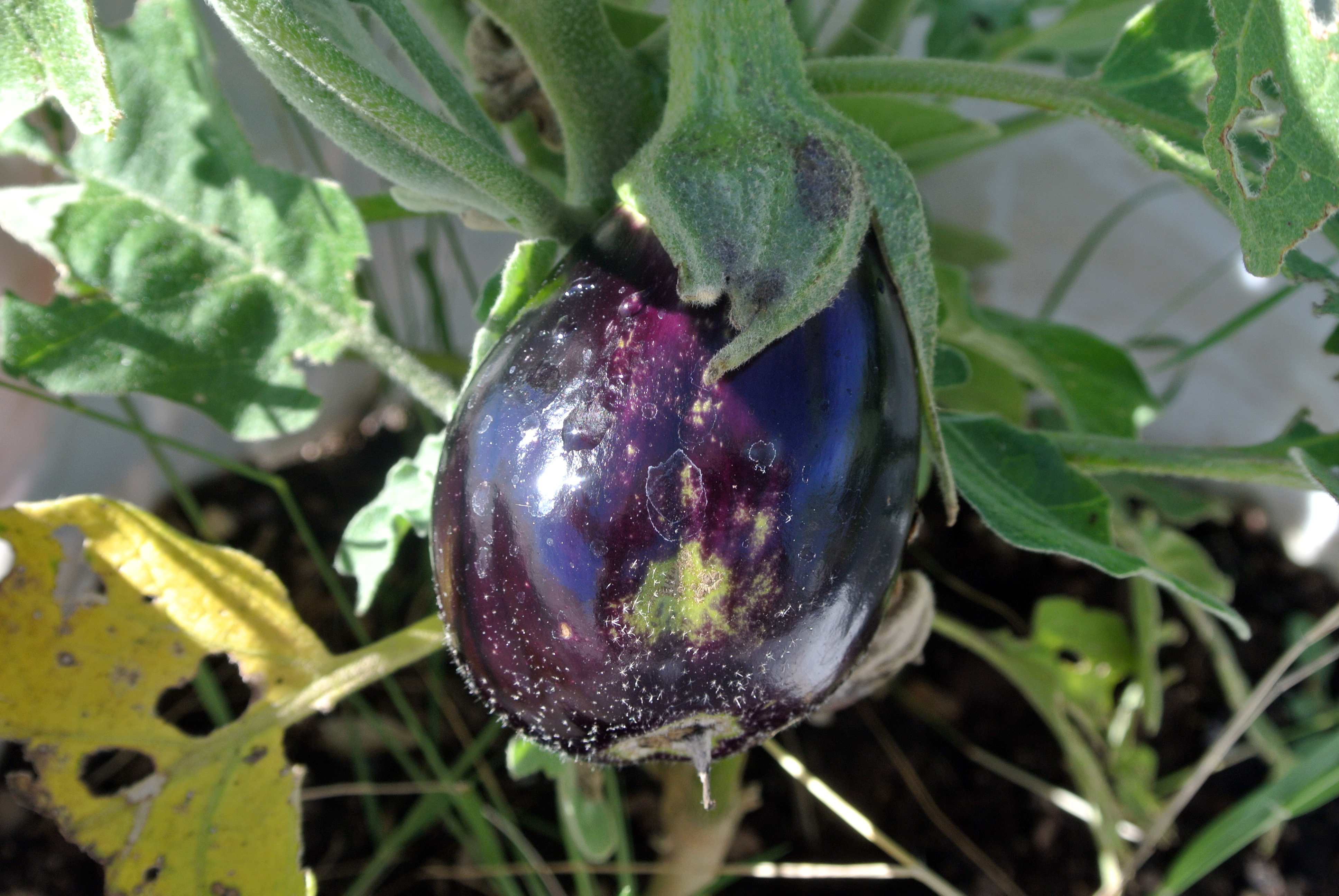
These guys are growing fast. I think they know that they don’t have much longer.
(cross-posted from Mobile Musings)
This year’s Kids Maker Day (part of our local Heritage Days) is now behind us and was a big success as always. Our theme was flight.
We had kids from ages 2 to 80 participate. (A couple adults said that building planes seemed like more fun that listening to lectures in the adult portion of the program. :)

One of the town elders shows us how it’s done
We started the day with building paper airplanes. Most kids started with designs they were already familiar with and then drifted into the books and printouts that we’d laid around the tables for more exotic designs. After making their planes, we went outside for flight tests, which led to testing, redesign, iteration, and more testing. We had contests for the longest distance flight, the longest time in the air, the smallest plane, and the most visually attractive.

Making paper airplanes


Winner for the smallest (and yes, it could fly)

There was a tie for most attractive.
After that, we went on to make balsa wood gliders. This was a favorite activity of many of when we were young, and the kids really loved it.
After that, we shifted gears to build marble mazes. The kids really liked last year’s cardboard challenge, and this was a variation on that. I had deliberated beforehand whether to make this a contest of sorts, but ultimately left it more open-ended.
The kids wanted to form their own groups to do this and surprised us by dividing into just two groups — boys and girls. It was interesting to watch how the two groups worked with the boys ultimately splintering into several groups (and a few working by themselves) and the girls really bonding as a team and coming up with something quite complicated. Several of the kids were so absorbed in the work that they went right through lunch.

After lunch came the favorite activity of the day — stomp rockets. These were built with 2-liter pop bottles, a length of bicycle tubing, a piece of PVC tubing, and a paper rocket. One of the highlights was when a couple girls launched their rocket, not once but twice, onto the roof of the building. It was also a revelation that stomping harder wasn’t necessarily better after a couple adults stomped so hard that they broke the bottles.


This ingenious young man attached his paper airplane to his rocket.

The day ended with a kid-suggested cooking activity. We made chocolate and caramel sauces and dipped fruit in them. (With the addition of this and a surprise visit from Smokey the Bear, we dropped the planned activities of hovercrafts, which were underwhelming in our pre-event testing, and kites, which we’ll save for another day.)
I’m already thinking about what we’ll do next year. Textiles? Cooking? Painting? There are so many choices.
Every year, the garden is a little different. This year seemed more different than most. We had a lot of rain (the monsoons are still going, though they seem close to the end), and it didn’t get as hot as usual. I don’t know if this accounted for the change or not, but things grew more slowly than usual.
We had more problems with pests than usual, including a newly developed talent of the rabbits to chew through our expensive insect netting. Brad got good at sewing it up. We had some other invaders, which are making us think about new ideas for next year.
This year’s top-producing crop was cucumbers. We must have harvested close to 150 of them, have given them to everyone we know, and have found some great new ways to use them, including several varieties of cucumber cocktails.
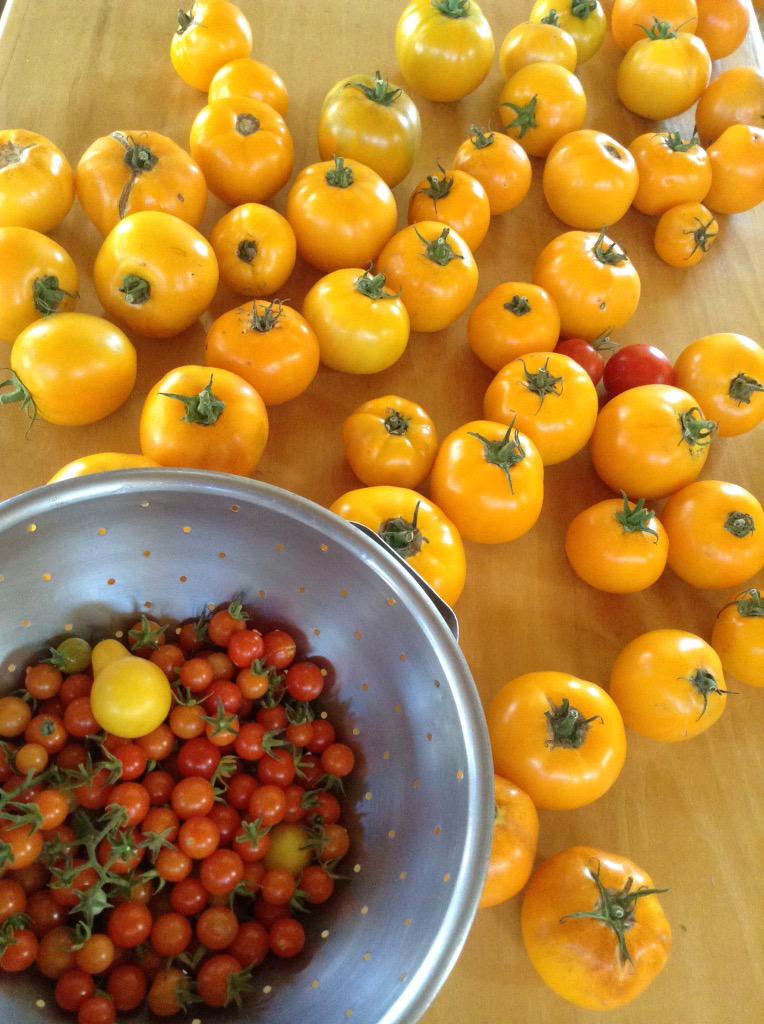
We have also enjoyed lettuce, watermelons, cantaloupe, strawberries, and onions. The tomatoes have been slow but are now really coming in. We’ve made several batches of salsa and tomato sauce and will make several more before the season ends.
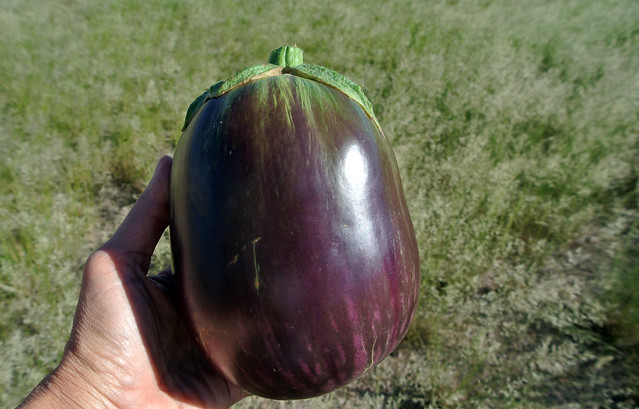
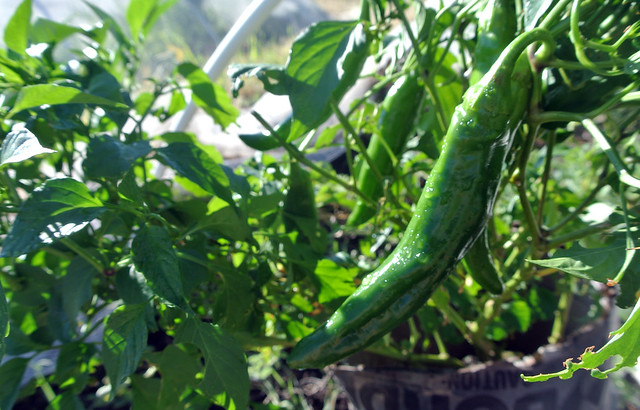
Some things are just now ready. This is my first ever success with eggplant (picked today) and chiles. Both were ravaged by bugs early in the season, but then came back and produced.
All in all, it’s been a good year. We’ve had lots of fresh food to eat and share and will have lots put away for the winter.
The monsoons have stretched out this year and have provided good, solid rains for two months now. They could end any day now, and we are enjoying them while they last.
The grass is tall and green, and we have actually had to cut the grass in the courtyard between the houses a couple times now.
On a walk the other day, we surprised a few javelinas, which looked rather like dolphins on the ocean as they lept through the tall grass.
This morning, looking out at the cows, they appeared to be floating in the field.