Windows for the main house were delivered yesterday. Yay!
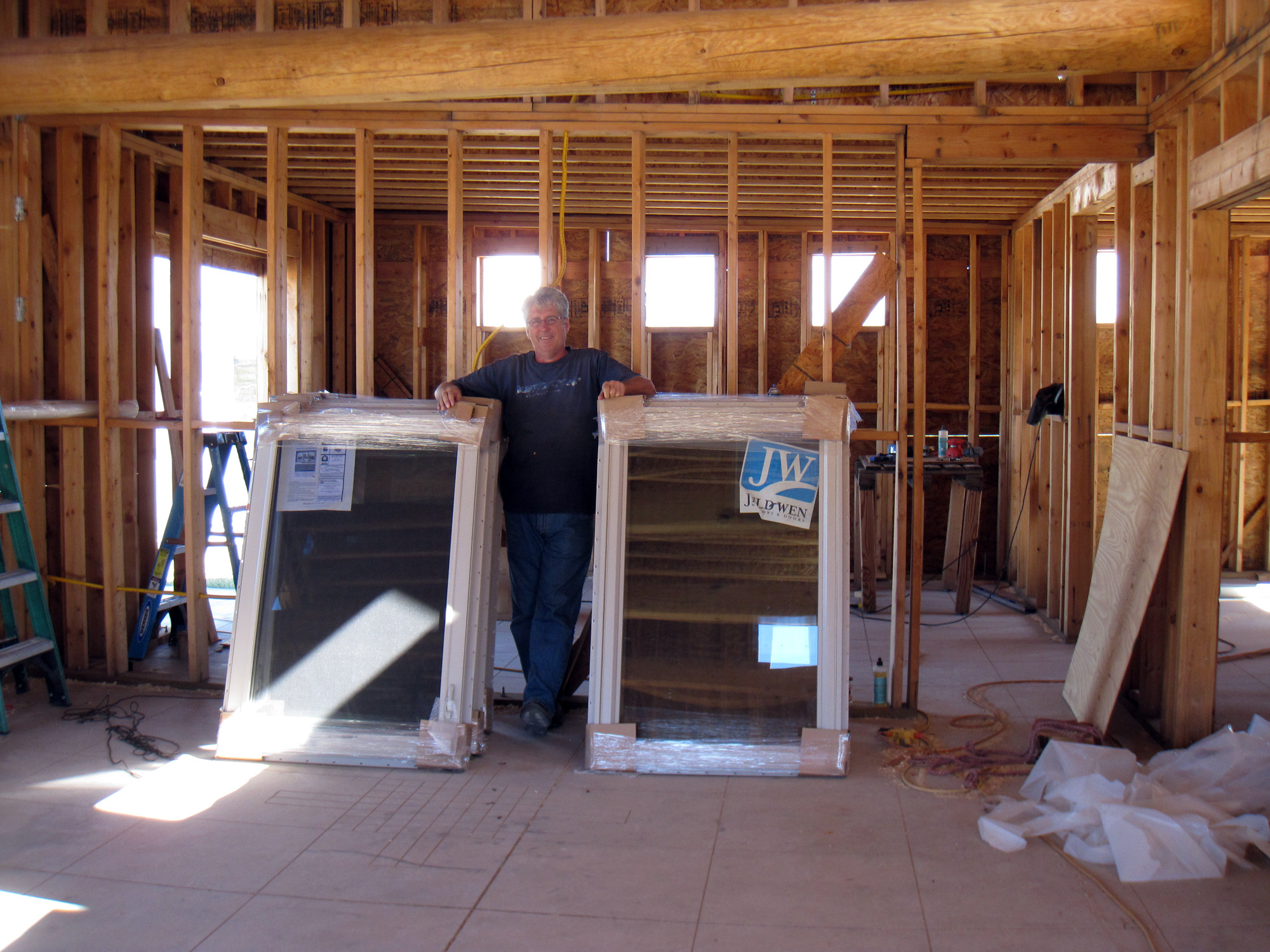
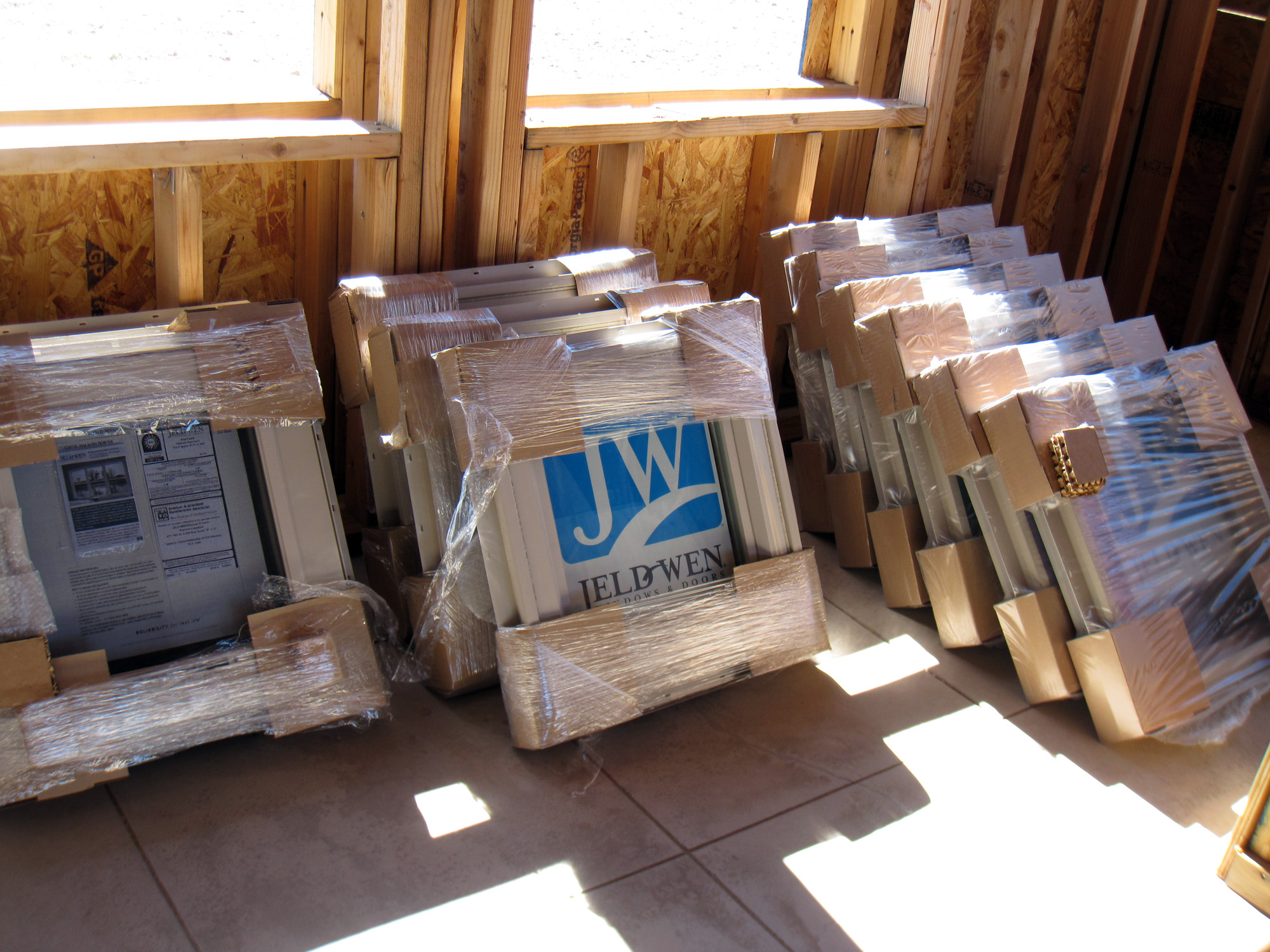
Windows for the main house were delivered yesterday. Yay!
For most things in our new house, I don’t think I have been very particular (in the “picky” sense, I mean). There just aren’t a lot of things that I feel terribly strongly about. However, one thing my “dream house” must have is track-style halogen lights. :)
Except that halogen bulbs use a lot of power — not good for a solar house.
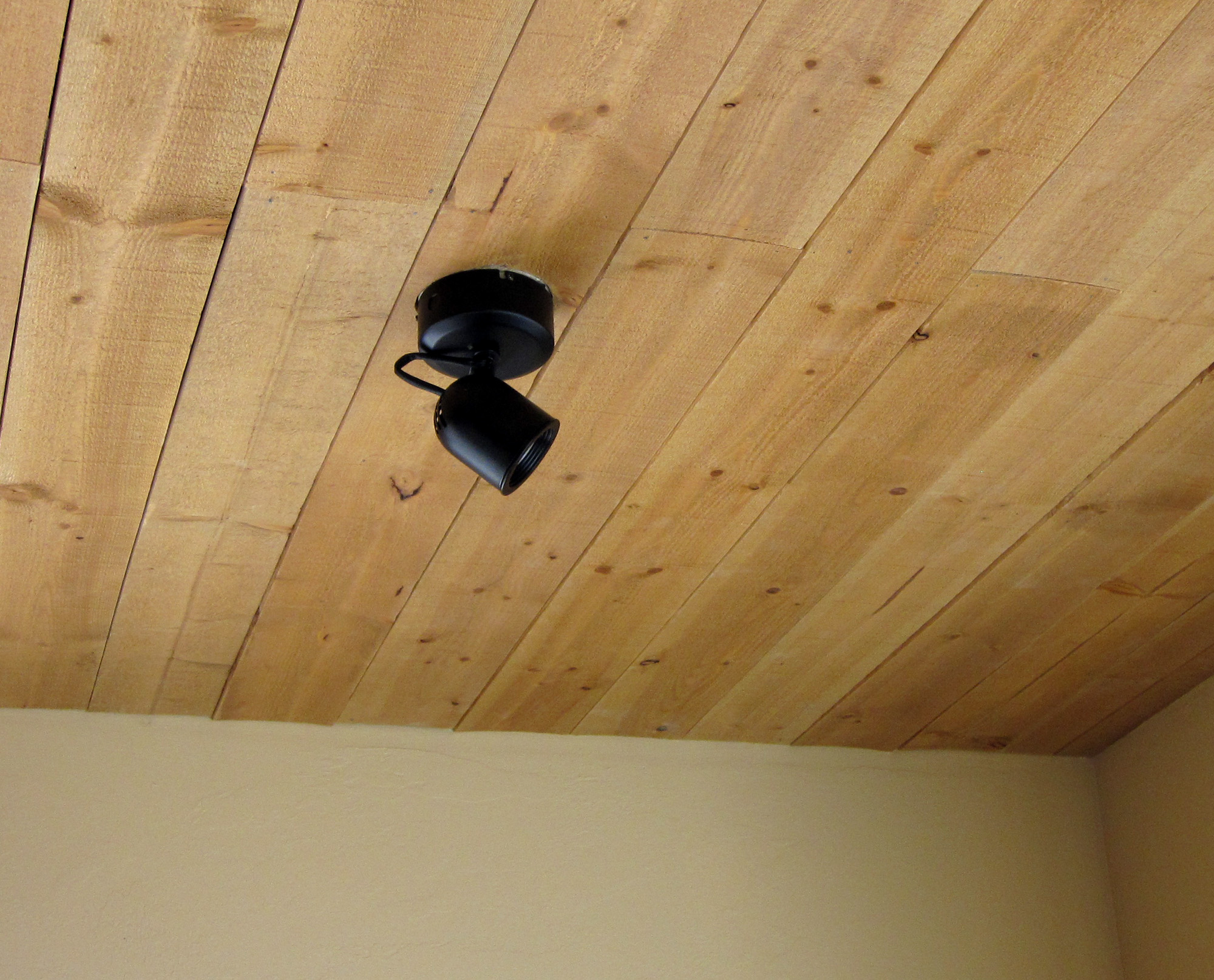
So for over a year, in our very-nearly-finished house, we’ve had bare bulbs on the ceilings in about half the fixtures, while Brad and I have both looked for lights that satisfied me.
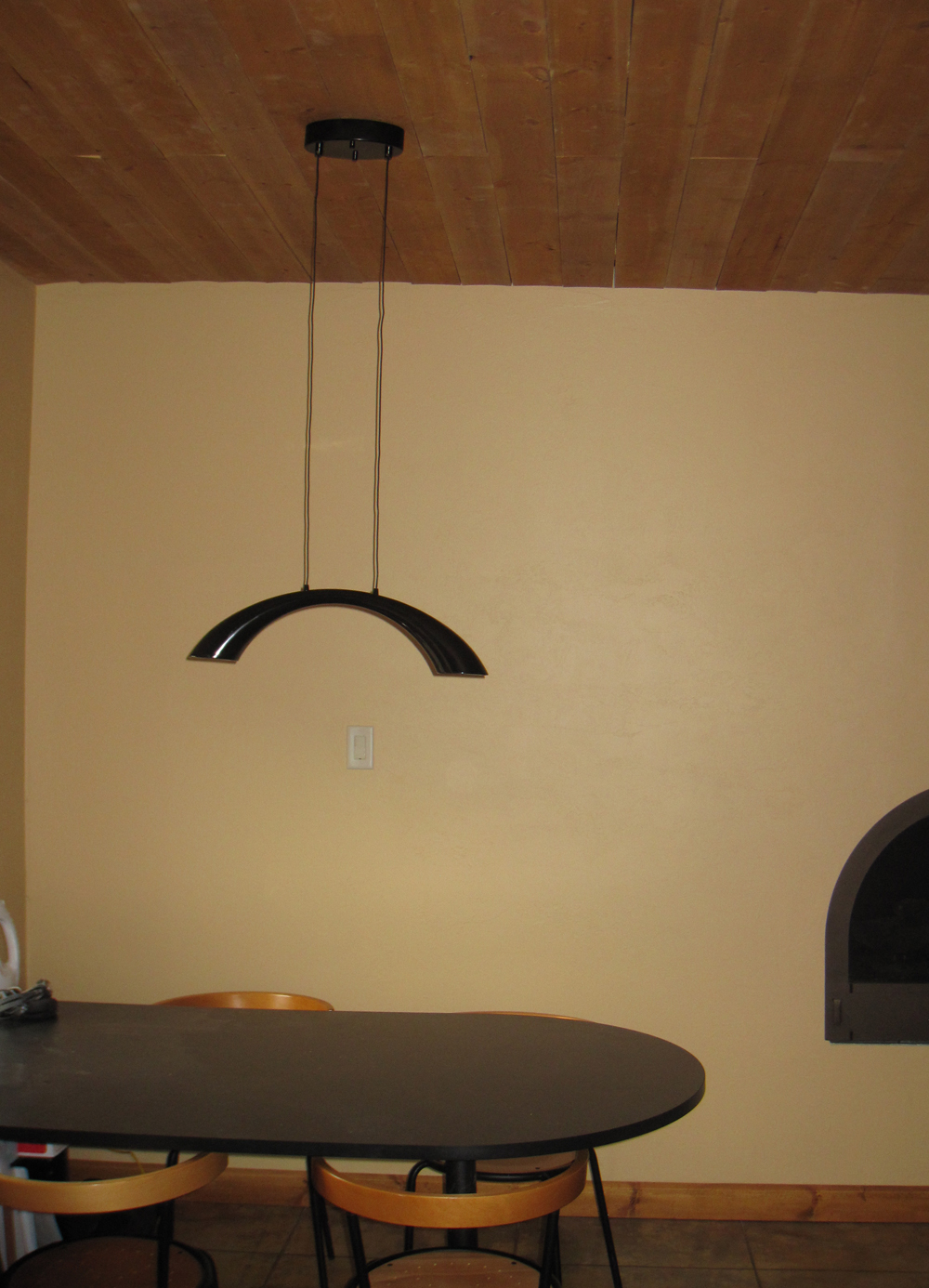
And finally, a breakthrough — LED halogen replacements!
Aren’t the new lights beautiful? I think the Tumbleweed house is really finished now.
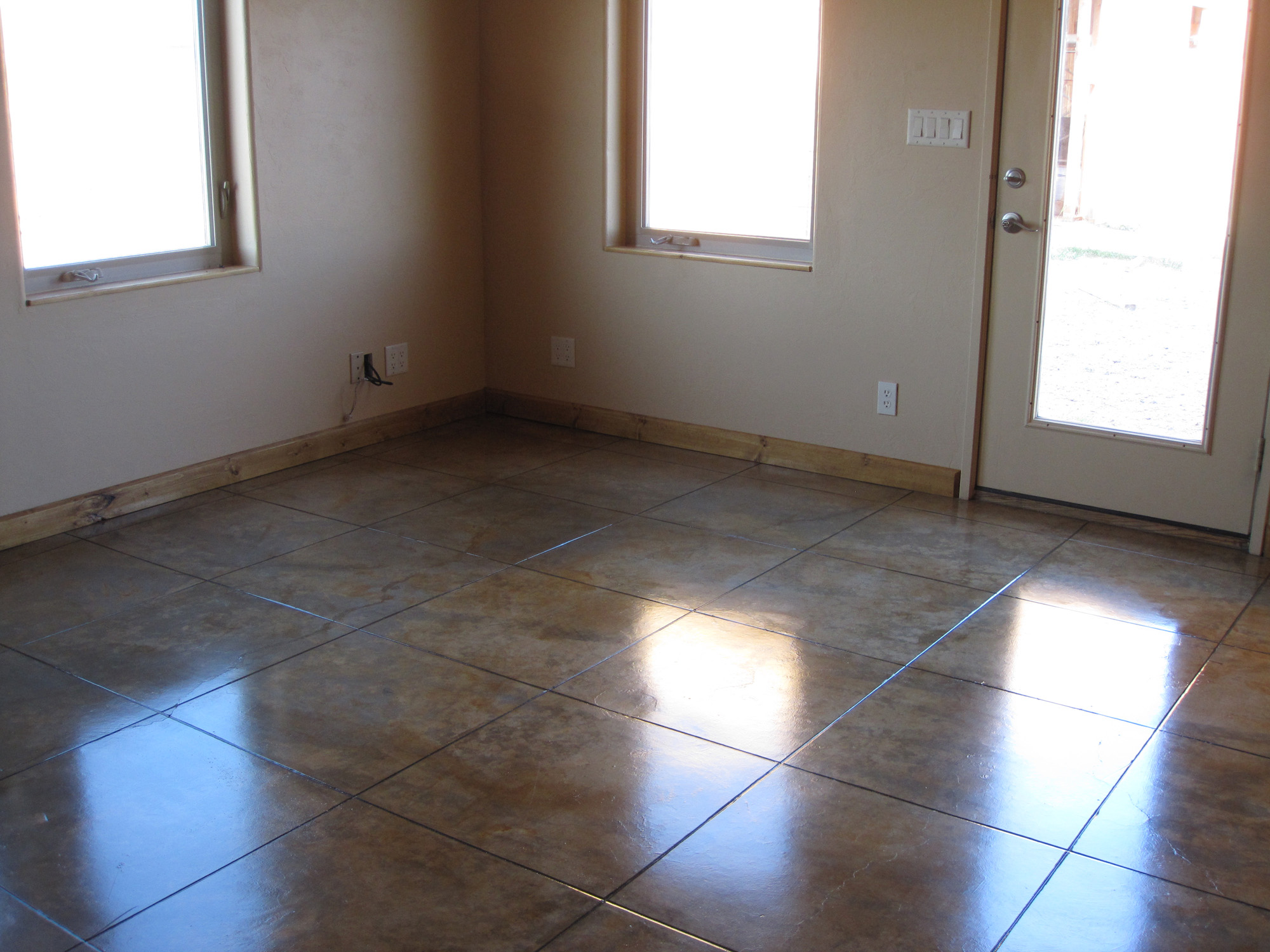
We love our stained concrete floors, and they seem to be the envy of almost everyone who comes over.
Over the 18 months or so that we’ve lived in the guesthouse though, the floors have worn a bit. The finish coat is wearing thin in spots, and under my office chair, even the stain seemed to have worn off. (We thought is was permanent.)
In researching this, we found out that the finish we used (Polysoy) is no longer the recommended finish. Now there is a new permeating finish Acrisoy. However, Acrisoy can only be used on freshly stained concrete, never over another finish.
But there is also a new coating called Ecofloorz, so we decided to try that.
The spot under the chair really looked bad, pretty much like raw gray concrete, so we decided to try restaining it again with Soycrete first. The results were nothing short of miraculous. The stain took great, and now you can’t even see where the worn spot was.
We are very happy with the new finish with Ecofloorz as well. It’s glossier than the old finish, but not too much so. I’m sure it will wear much better.
Today was fall harvest day for the squash.
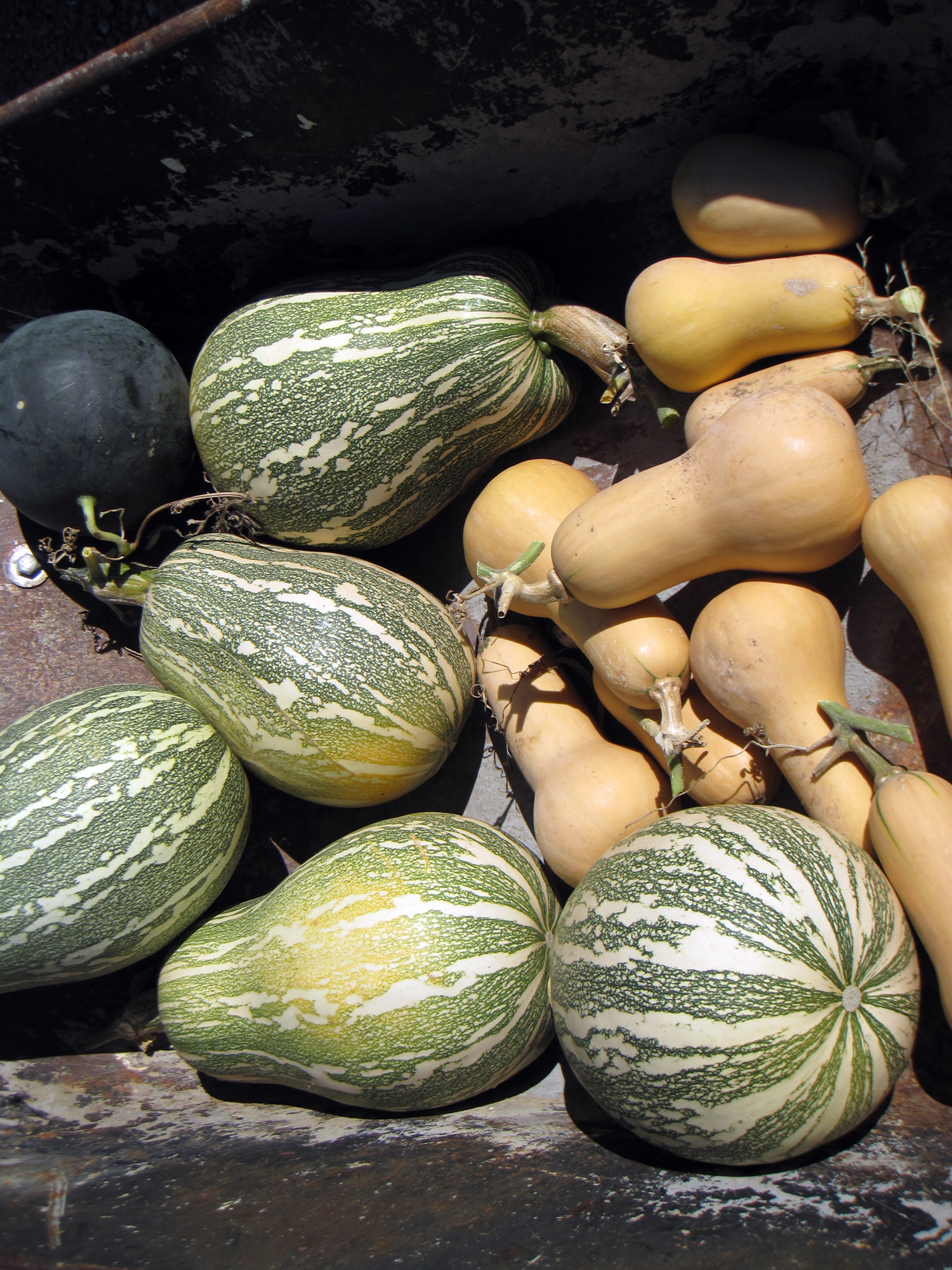
The big green striped squash are Sonoran squash. Believe it or not, we didn’t plant any. We planted all butternut. But the butternut these came from were growing close to Sonoran squash, and I understand that they can cross-breed. I guess this is evidence of that.
After harvest, we put in a second bed of garlic and shallots for next year. Brad is getting very good at the alliums.
While we were planting, we heard the first sandhill cranes of the season flying overhead. A definite sign that fall is here!
Our tomatoes are still producing prolifically, and I have fall crops of lettuce and spinach coming up.
It is also apple time.
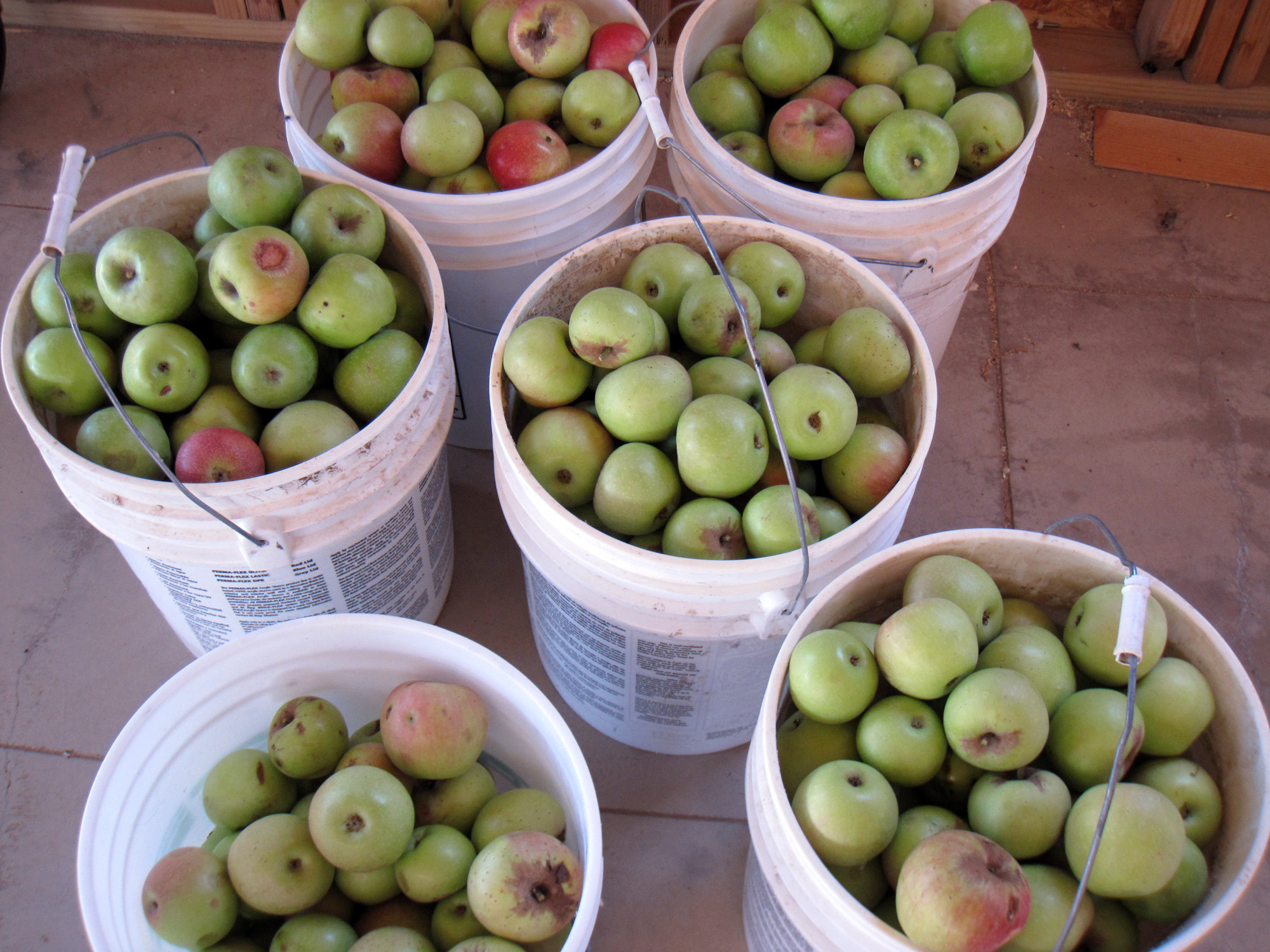
We’ll be making lots of apple pie filling, applesauce, and hopefully apple butter in the next week or two.
That’s about it from here on the homestead for now! :)
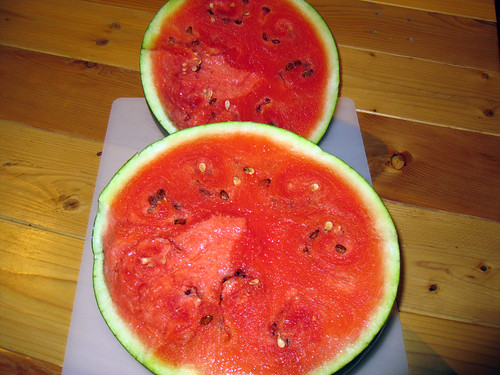
There are lots. Stop by if you want one.
We poured a little stoop for the battery house today and had a new design idea.
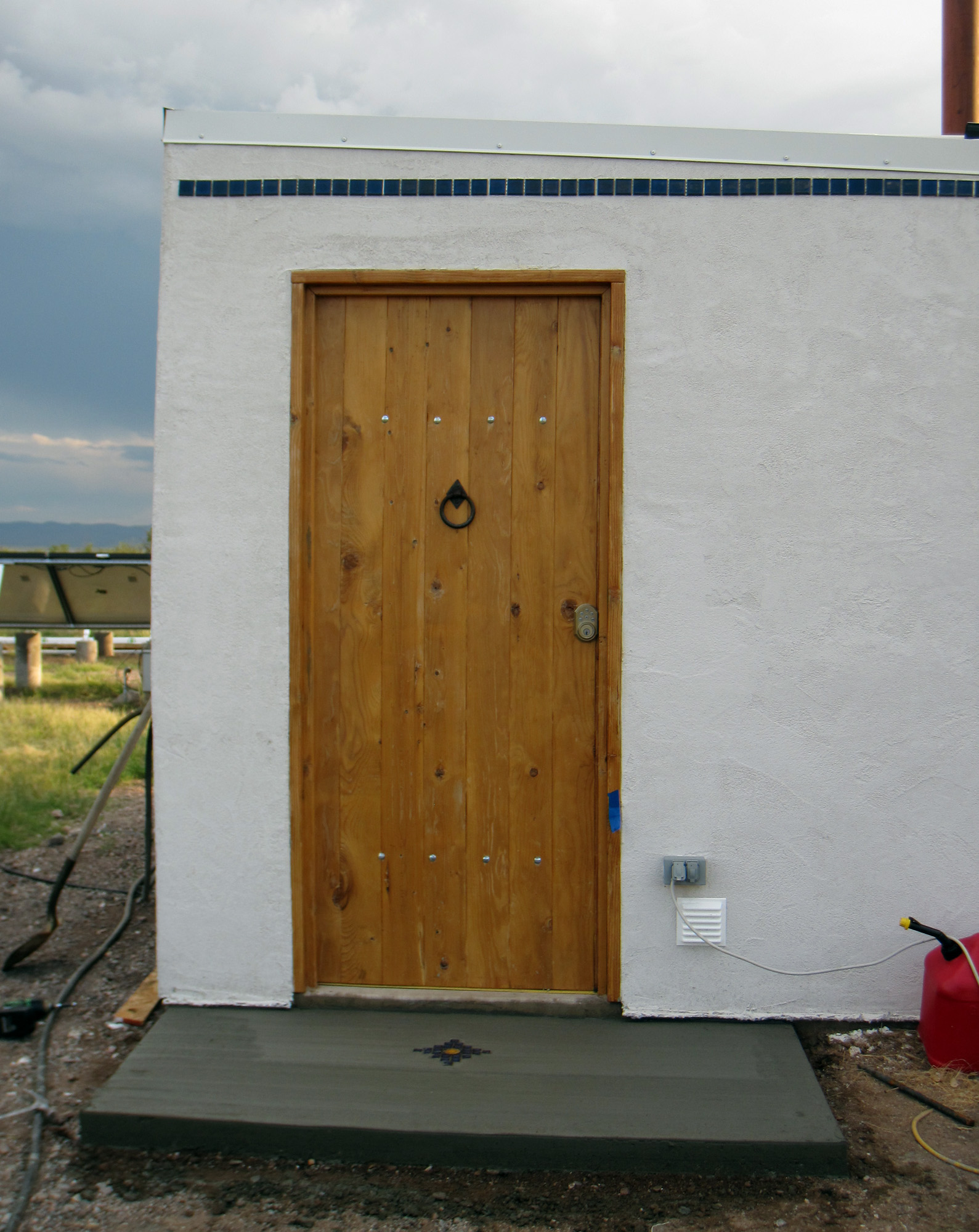
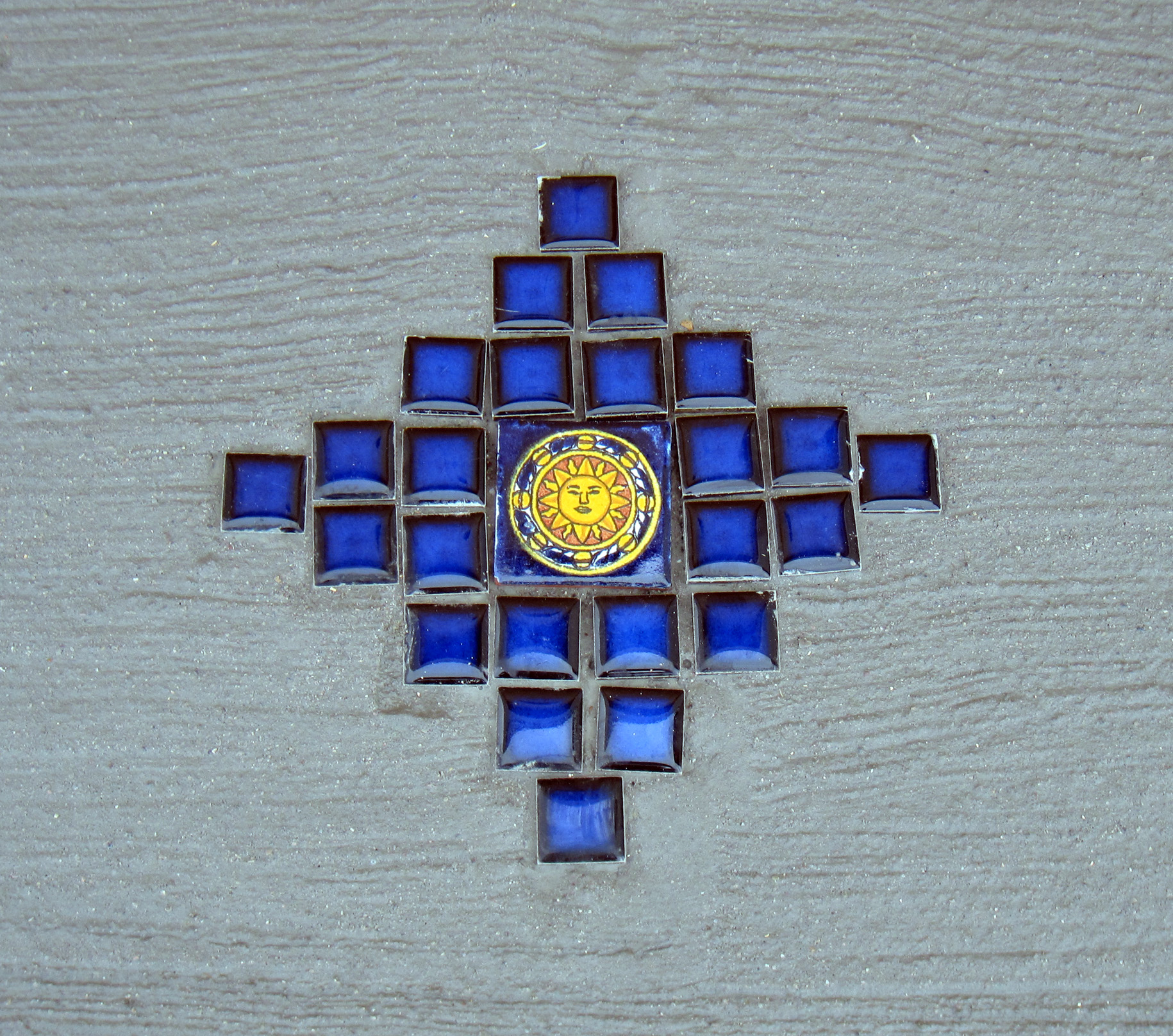
Other than that, the roof is done, and we’ll finish the outside OSB tomorrow. Then it’s on to plumbing and electrical (I think).
The weather here is starting to change. The monsoons, which have been light and should be over by now, seem to have picked up steam in the last couple of days. Last night, it rained all night, and the thunder booms shook the whole house. It seems to be getting cooler and seems like fall is here.
Heritage Days is an annual event in Portal to celebrate the natural and cultural heritage of our area. It is sponsored by the Wildlands Network and features two days of presentations on topics like our area’s biodiversity, conservation, local history, and other interesting topics.
This year, Brad and I offered to help put together a kids day for this event. For this event, there were presentations on tracking wildlife, native plants (including making newspaper pots and planting seeds), and our national forest. A theme throughout the day was “What Makes Our Area Special,” and the kids made this great mural showing all that they learned.
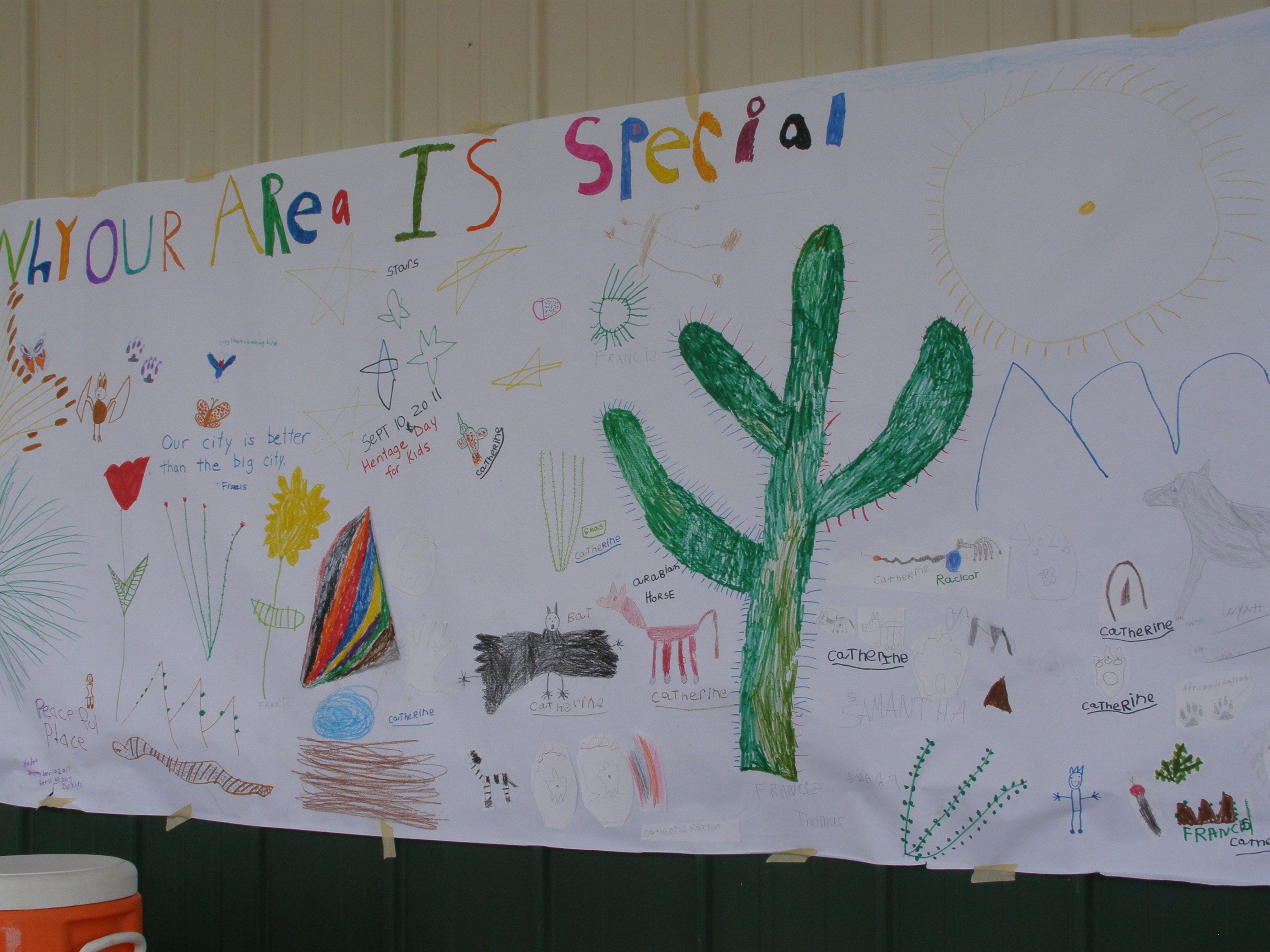
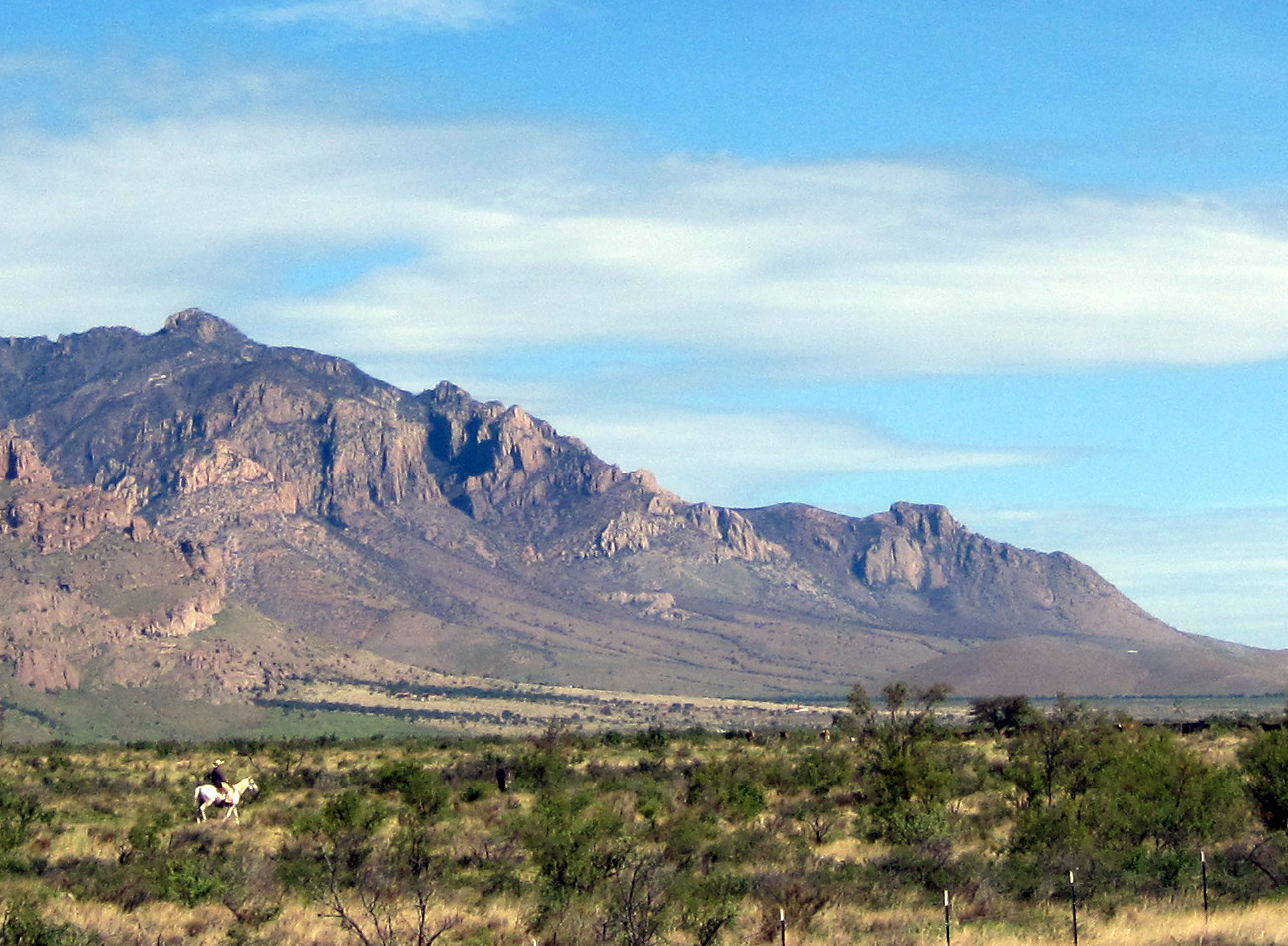
The other day when we were working on the house, I saw a bunch of cows stampeding across the road. That seemed strange.
Then I saw some people behind them. On horseback. Cowboys. Apparently doing some kind of round up.
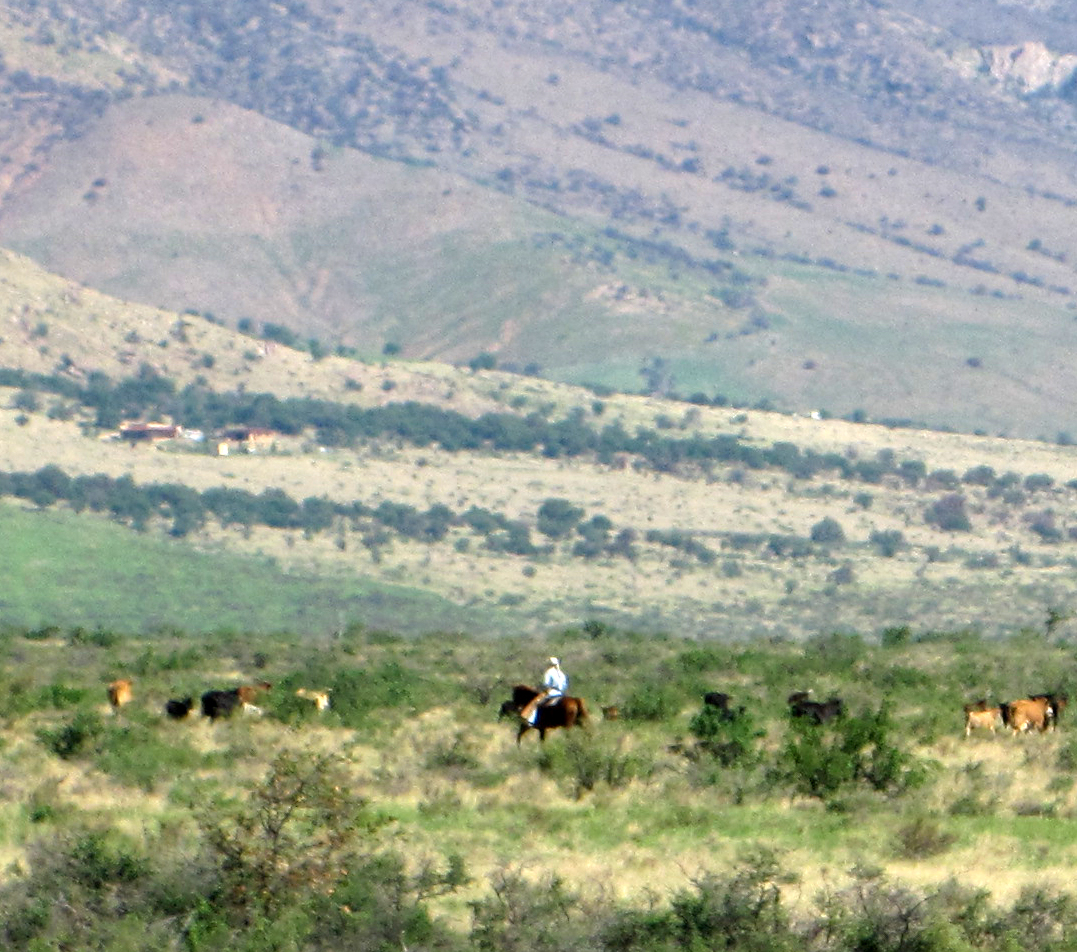

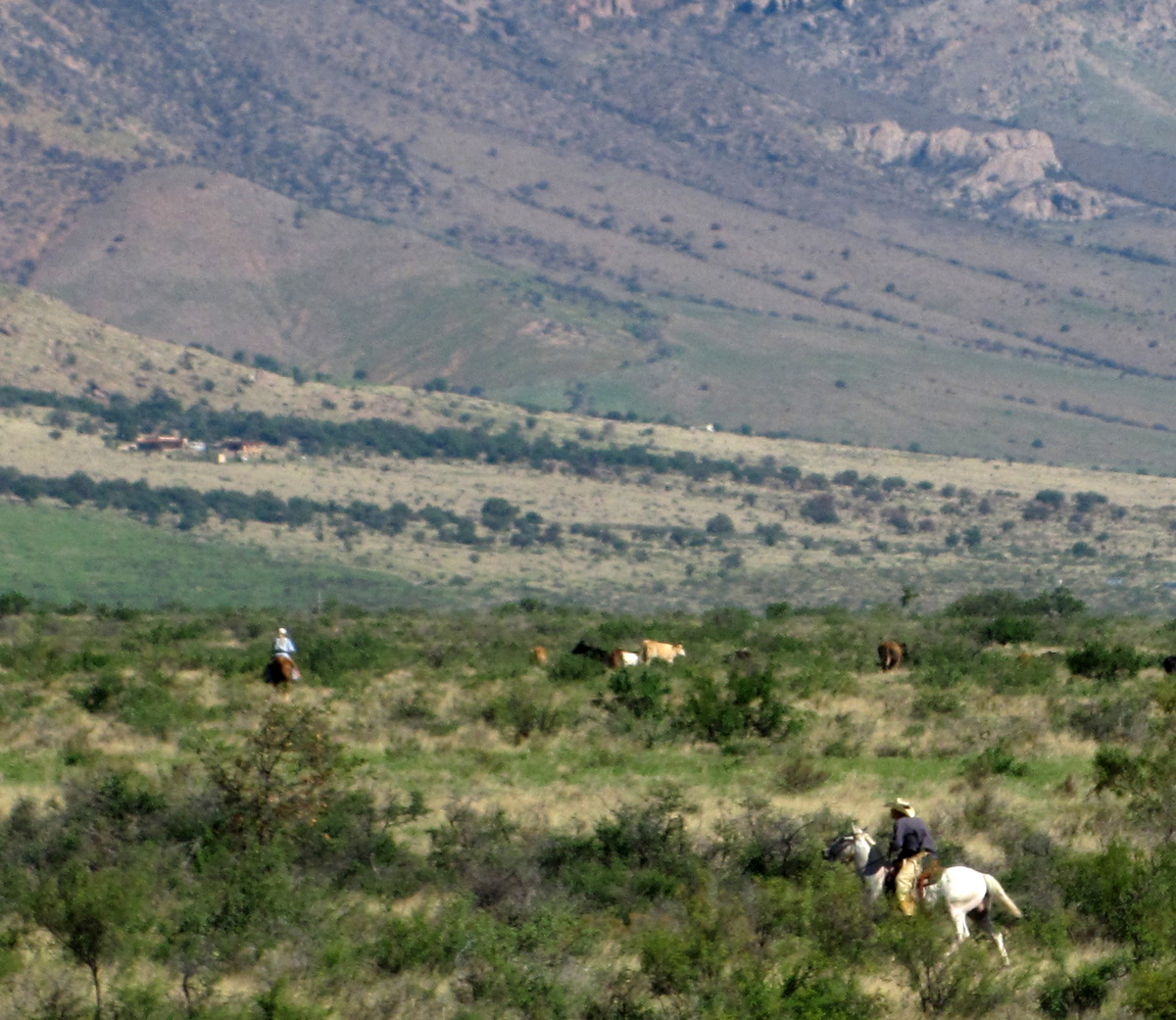
You don’t see that everyday. Distracted us for a good half an hour.
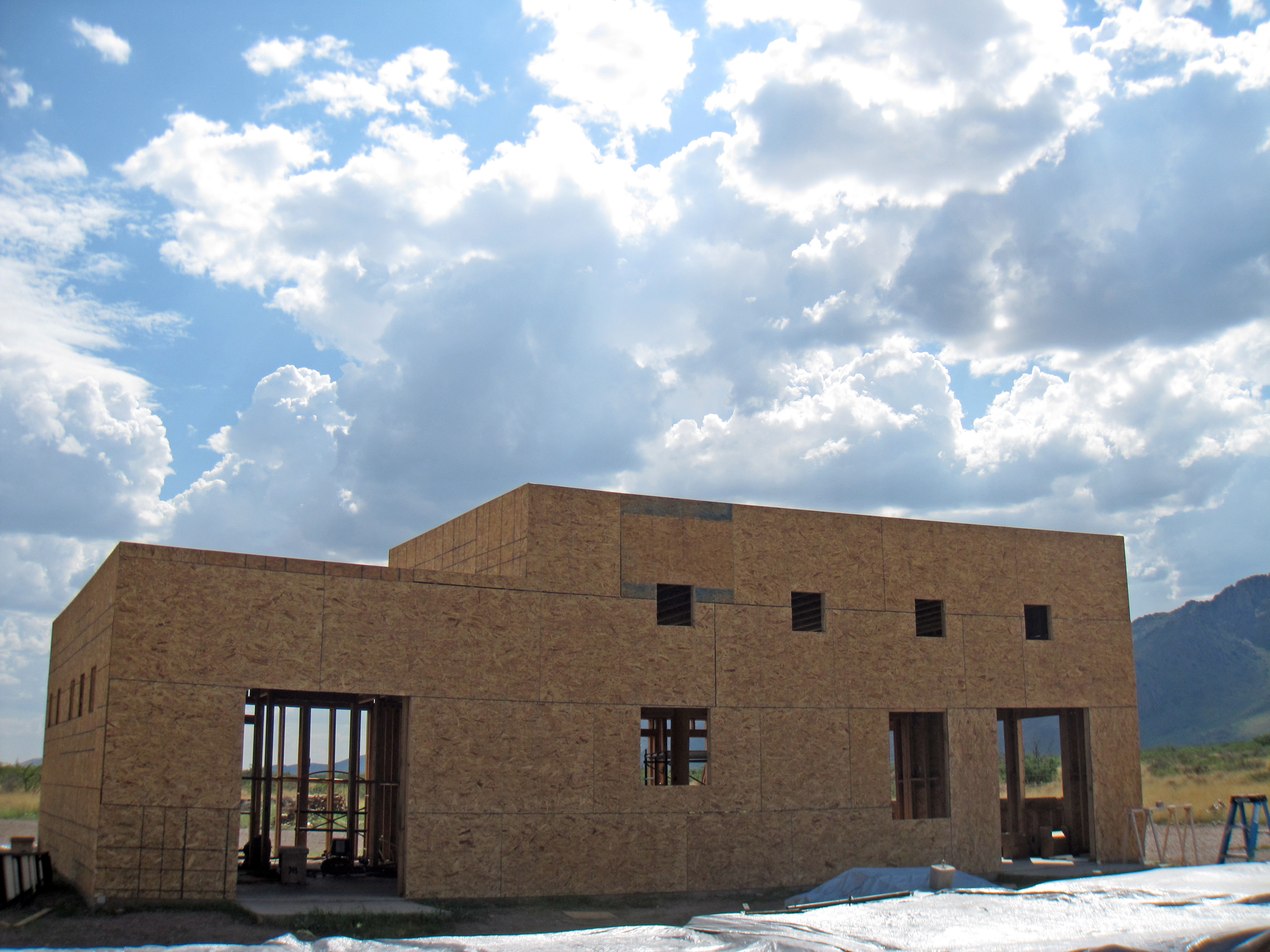
Three sides of the house are now covered with only the short side still to do.
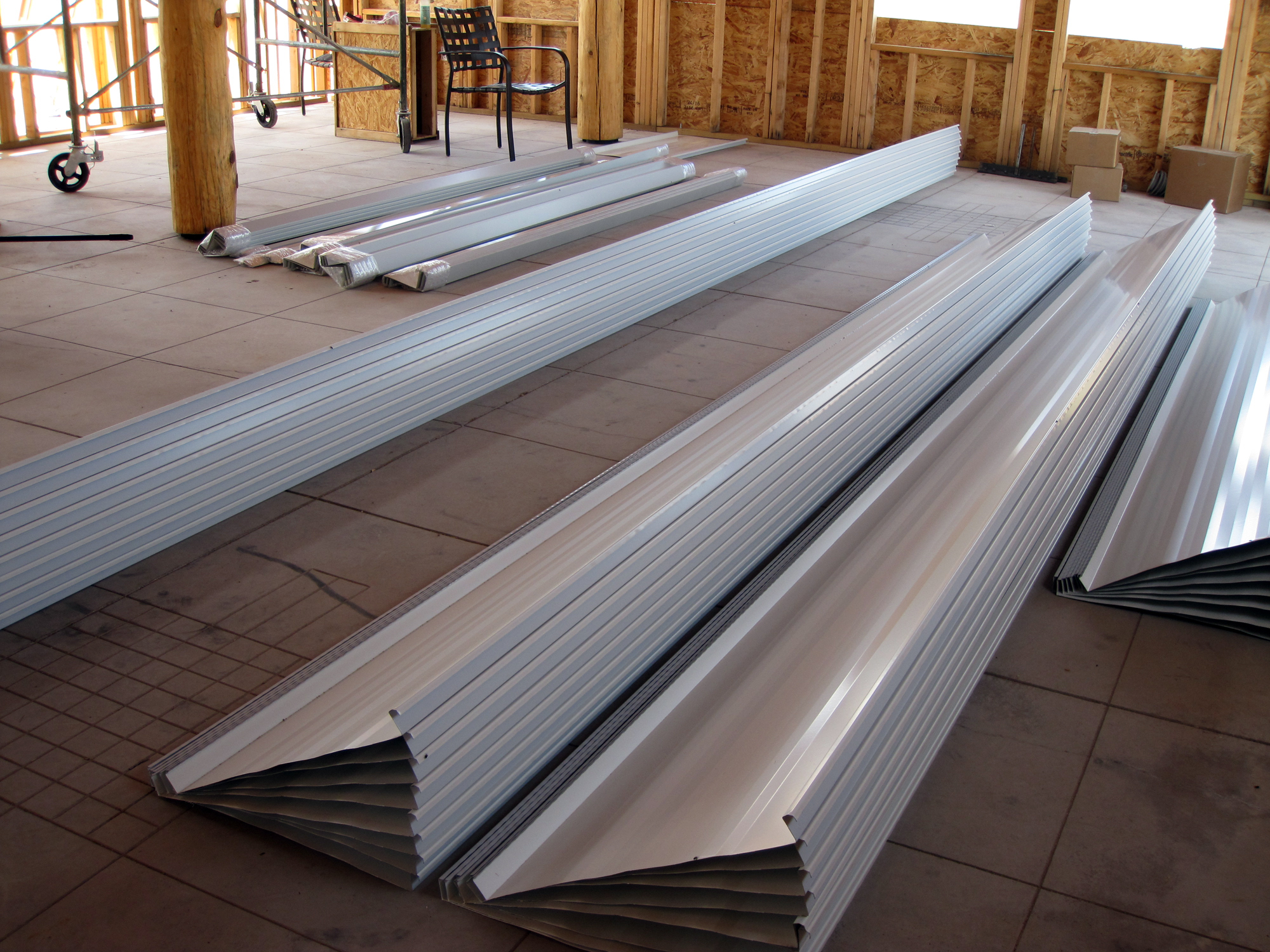
And today our friend Floyd from MasterCraft Metals came out to cut and deliver our roofing material.
I made movies and took pictures while Brad and Floyd did the work.
Here are the resulting pieces. Plenty of work for me to do now.
When we installed the solar equipment, one thing I was never sure of was wiring the batteries. I’d read several articles that suggested it was tricky but had no clear cut instructions. I asked friends and relatives and we all pretty much decided that as long as everything was connected it would be fine. I added some in between connections to make double sure all the batteries received a good charge. Here’s the post.
When I was researching the issue with a drop in solar production I ran across this guide for wiring the batteries that made me question how I wired ours. This article has four ways of wiring the batteries. It looks like method 1 is the worst and method four is the best. I decided to use method 3 because it was dead simple and I had all the parts. The parts are big fat wires and they are expensive.
The method I used is called the star method. In simple terms we have six 48 volt batteries that need to be wired in parallel. To do this you take the red leg from each battery and wire them all together along with a leg that goes to positive on the inverter. Do the same for black to the negative leg of the inverter. It’s important that all the wires from the batteries are the same length. Also the two legs from the inverter should be the same length. This means that the distance from the inverter to each battery is exactly the same. That’s what we are after.